
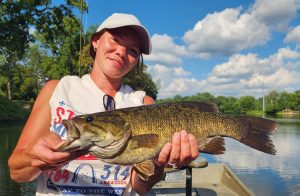
MUSKEGON, Mich. (August 20, 2025) – Late-summer is prime time for river smallmouth bass fishing, and few freshwater predators are as adaptable and opportunistic as smallies. When it comes to feeding behavior, smallmouth bass are generalist feeders. On any given day, they’ll crush crawfish, chase baitfish, slurp mayflies, or even gulp down frogs and salamanders washed in by rain.
The bottom line? River smallmouth can be caught a dozen different ways in August—but success comes down to dialing in the right presentation, habitat, and timing.
Feeding Behavior of Late-Summer River Smallmouth
Unlike trout, which often “match the hatch,” smallmouth bass quickly switch gears. They’ll key on insect hatches, then pivot to baitfish schools, crayfish, or anything else that presents itself. According to veteran river guide Jay Anglin, smallmouth are constantly adjusting to depth, shade, and water flow in search of cooler, oxygen-rich conditions.
“They’re very adaptive. They’ll change gears quickly because they’re not necessarily locked into one food source,” Anglin explained. “Whereas trout might be totally focused on a mayfly hatch, a smallie will take advantage of the hatch but also switch gears to chase baitfish, crayfish, or bugs.”
River Conditions and Best Times to Fish
By late August, river levels are typically lower and clearer, with water temperatures ranging from the mid-70s into the low 80s. Despite the heat, smallmouth remain active. Cloudy days often mean all-day feeding windows, while sunny days usually push the bite into early mornings and late afternoons.
Anglin advises anglers to focus on oxygen-rich riffles, shade lines, and current seams, where active fish move throughout the day.
Topwater Tactics: Why Poppers Shine
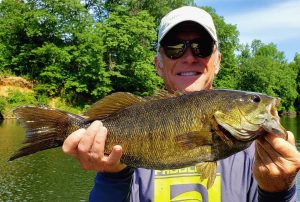 One of the most explosive late-summer tactics is working topwater poppers for smallmouth bass. Both fly and conventional anglers can take advantage of how inquisitive and aggressive river smallies are this time of year.
Fly Fishing: A classic Boogle Bug popper remains one of the most effective late-summer smallmouth flies.
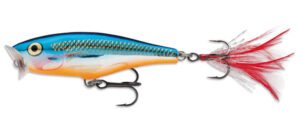
Conventional Gear: The Rapala Skitter Pop is a proven hardbait that can be cast into shallow runs and riffles without constant snagging.
“Fishing poppers really puts stealth on your side,” Anglin said. “Unlike tubes or crankbaits that snag often, topwaters let you get more casts in and cover more water.”
Anglin has noticed that with today’s lower river flows, smallmouth are often extremely shallow—sometimes just 18 inches of water. A well-placed popper over their head almost guarantees a strike.
Adjusting Throughout the Day
As the sun climbs higher, poppers may lose effectiveness. That’s when Anglin switches to crawfish fly patterns, tubes, or streamers to probe deeper water.
He recalled a recent trip:
“The sun was overhead, fish weren’t eating poppers, so we switched to a crayfish fly on a floating line with a long leader and immediately started catching solid fish. Later, as shadows lengthened, smallmouth moved up and we went right back to poppers. The bite exploded.”
The key takeaway: Adapt presentations to light and fish movement. Morning and evening are primetime for surface action, while midday often requires going subsurface.
Finding Shade and Structure
Shade is everything in late summer. Anglin notes that as the sun angle lowers by mid-August, anglers can take advantage of shadows from:
Bluff walls and tree lines
Bridges, levees, and riprap
Sea walls and old railroad trestles
Submerged boulders, rock piles, and wood cover
“I’m always looking for crumbling, broken-down structures that create cracks and crevices full of crawfish. Big smallmouth hang just off these spots, waiting to ambush prey,” said Anglin.
In metro rivers, these urban features are often the best producers, especially during midday heat.
Guide-Recommended Gear for Late-Summer Smallmouth
Conventional Setup
6’–6’6” medium-light to medium spinning rod
2500-size reel spooled with 10-lb monofilament
Rapala Skitter Pop or similar 2-inch popper
Fly Setup
9’ 6-wt fly rod
Scientific Anglers Amplitude Infinity weight-forward line
7.5’ 16-lb leader with 18”–24” of 10–12 lb tippet
Boogle Bug popper
Apparel Essentials

Whitewater Spindrift Merino Fishing Hoodie Whitewater Spindrift Merino Fishing Hoodie – lightweight, UPF 50+, breathable merino sun hoodie ($129.99 MSRP)
Whitewater Prevail Pant – durable, quick-dry, UPF 50+ stretch fishing pants with multiple pockets ($99.99–$109.99 MSRP)
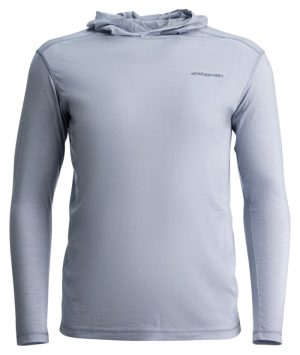
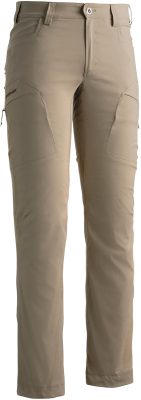
Both clothing pieces provide sun protection, moisture-wicking, and odor control, making them ideal for long days chasing river smallmouth.
Take-Home Tips for River Smallmouth
Catching late-summer river smallmouth is about reading conditions, finding shade, and keeping presentations flexible.
Use poppers in shallow water and shaded banks for surface strikes.
Switch to tubes or crawfish patterns during high sun.
Focus on riffles, seams, and cover where smallmouth hold in current.
Wear performance gear to stay cool, protected, and focused on the bite.
The payoff? Explosive topwater strikes from some of the hardest-fighting bass in freshwater. Few things compare to the rush of watching a bronze-backed smallie crush a popper in less than two feet of water.
ABOUT WHITEWATER
 Whitewater performance fishing apparel gives anglers distinct advantages whenever Mother Nature’s unpredictability conspires to ruin angling adventures. Whether faced with wind, rain, snow, sun, or extreme temperatures, Whitewater apparel equips anglers with the ability and confidence to overcome the elements, so they apply their focus and energies on fighting fish, not the conditions. Whitewater is a brand by Nexus Outdoors, headquartered in Muskegon, Michigan, USA. Learn more and order at whitewaterfish.com.
See the latest in bass fishing here

Discover the ultimate resource for bass fishing enthusiasts with Bass Angler Magazine! Packed with expert tips, the latest cutting-edge techniques, and in-depth articles, our magazine is your go-to guide for mastering the art of bass fishing. Whether you’re a seasoned pro or just getting started, Bass Angler Magazine delivers the insights and inspiration you need to reel in the big ones. Subscribe today and elevate your angling game!